
TL;DR
- A multi color quartz vanity top makes the bathroom’s hardest-working surface its boldest design move, because engineered quartz carries the color through the full slab thickness while staying non-porous and mold-resistant.
- Multi color quartz blends multiple mineral flecks, veining, and base pigments into one slab, giving a speckled, terrazzo-like, or marbled look that hides water spots and toothpaste stains better than a flat white top.
- The bathroom demands three things from a surface — moisture resistance, stain resistance, and color fastness — and engineered quartz passes all three with a water absorption around 0.02–0.04% by weight.
- For a bold top to work, treat it as the room’s single focal point: keep tile, paint, and hardware quiet, and let the vanity carry the color.
A multi color quartz bathroom vanity top is a single engineered quartz slab that blends several mineral colors — flecks, veins, and base pigments — into one surface, so the counter becomes the room’s statement piece instead of a quiet white rectangle. In this article I’ll show you how to choose a bold top that actually survives a bathroom, how to pair it without the room shouting, and how to size it so the overhang never cracks.
I run international business for Quanzhou APEX Co., Ltd., an engineered quartz maker founded in 1997 in Shuitou Town, Nan’an, Fujian. From a 40,000 m² plant we ship more than 100,000 slabs a year to 20+ countries, and one of the fastest-growing requests we field from importers and bathroom brands is a multi color quartz that looks hand-crafted but behaves like a factory product. Here is everything I tell them.
What Is Multi Color Quartz, and Why the Bathroom Is Its Best Stage?
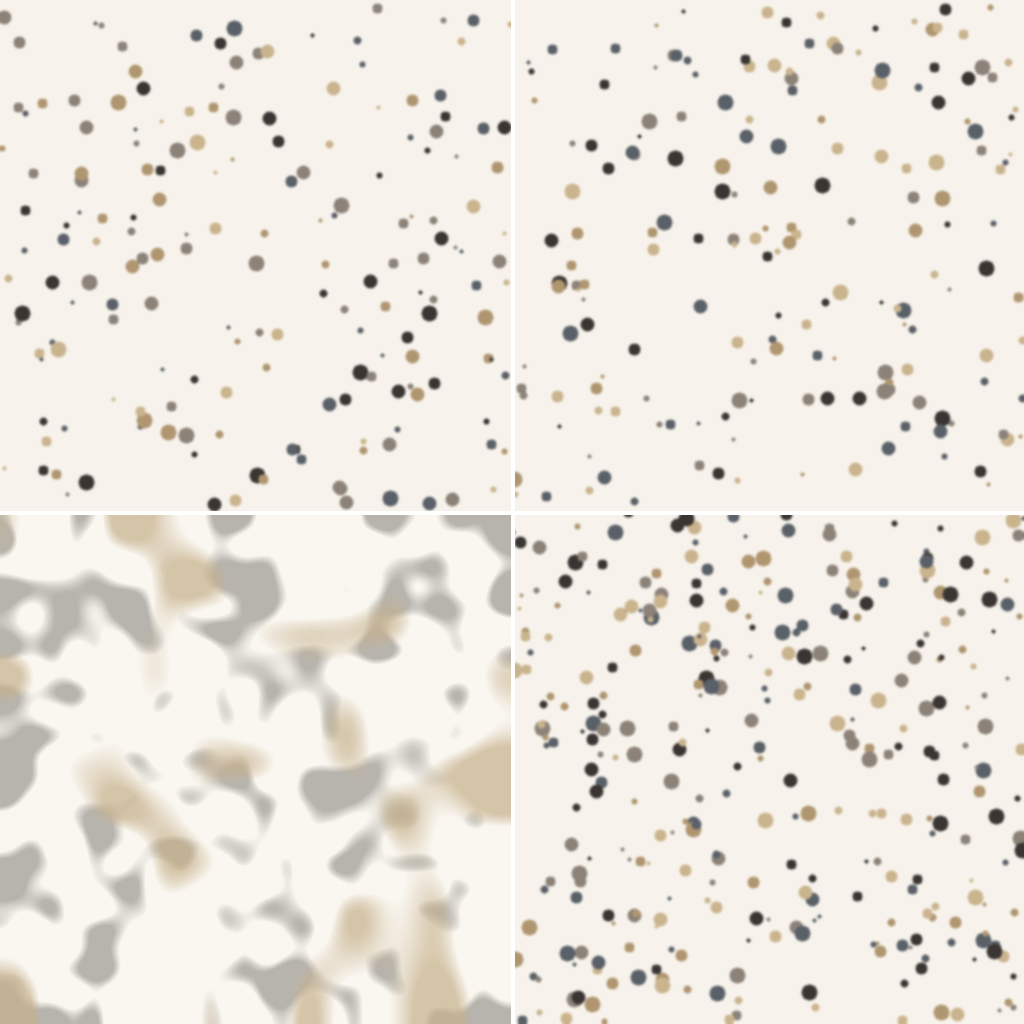
Multi color quartz is engineered stone that combines about 90–93% crushed natural quartz with 7–10% resin and multiple pigments, pressed under vacuum and cured into a dense slab. The “multi color” part comes from layering contrasting mineral flecks — black, gold, gray, blue, or green glass-and-quartz chips — over a tinted base. Quartz itself is silicon dioxide, one of the hardest common minerals, which is why re-bonding it with resin yields a surface that is dense enough for a wet room.
The bathroom is where this material shines hardest, for one practical reason: a multi color top hides the daily residue — hard-water spots, dried toothpaste, soap scum — that a flat white or solid-color top reveals immediately. The visual noise of the flecks works like camouflage for the exact marks a bathroom generates. That is why a boldly colored, speckled top is often the lower-maintenance choice, not the higher one, even though it looks like the bolder design decision.
The Bathroom’s Three-Way Test: Moisture, Staining, and Color Fastness
A bathroom surface faces three attacks that a kitchen counter rarely does: constant humidity, cosmetics and hair dye, and long exposure to UV and cleaning chemicals. Here is how multi color quartz answers each.
First, moisture. Because engineered quartz is non-porous, with water absorption of roughly 0.02–0.04% by weight (measured per ASTM C97), water and humidity sit on the surface rather than soaking in, so the slab will not swell, warp, or host mildew the way a porous stone or wood top can. Second, staining: a spilled bottle of hair dye or nail polish remover wipes off a non-porous quartz face, where it would etch or stain marble. Third, color fastness: because the pigment is dispersed through the resin before curing — not painted on the surface — the color cannot be scrubbed or worn away, and a well-controlled batch holds its hue for the life of the slab.
One honest caveat I always add: quartz resin can be dulled by prolonged exposure to harsh solvents and by long-term direct UV, so a vanity top in front of a south-facing, unshaded window is best protected with a light diffuser. This is the same advice I give for any pigmented engineered surface, not a multi color-specific flaw.
How to Pick a Bold Vanity Top Without Overwhelming the Room
The failure mode of a bold vanity top is not the material — it is the room. Add a loud top on top of a patterned floor tile and a saturated wall color, and the bathroom turns into a visual argument. The fix is a rule I give every studio: make the vanity the single focal point, and mute everything else.
Concretely, that means three decisions made in this order. First, choose the top’s color story. Second, pick a wall and floor tile in a near-neutral tone that appears inside the top itself — if the top has warm gray flecks, pull a warm gray floor. Third, keep the paint and hardware in a finish, not a color: brushed nickel, matte black, or unlacquered brass all read as texture rather than competing hue.
This “one bold surface” rule is why Better Homes & Gardens bathroom galleries so often show a dramatic stone top on a plain white vanity against quiet tile — the contrast, not the color count, is what reads as intentional and high-end. A powder room can carry a louder top than a master bath, because a powder room is small, visited briefly, and meant to surprise; in a master bath you live with the surface every morning, so step the contrast down one notch — from a saturated speckle to a softer, toned-down blend.
Pairing Multi Color Quartz with Tile, Paint, and Hardware
Here is a fast pairing matrix for the four most common multi color quartz families. Pull one neutral from the top’s own flecks and the room will always hold together.
| Quartz Family | Dominant Flecks | Best Tile/Paint | Best Hardware |
|---|---|---|---|
| Warm terrazzo-style | Black, taupe, cream, amber | Warm white or greige wall; matte large-format floor | Unlacquered brass |
| Cool blue-gray speckle | Gray, white, slate blue | Cool white wall; light gray floor | Brushed nickel or chrome |
| Green-veined marble-look | White base, sage/emerald veins | Cream wall; wood-look or cream tile | Matte black |
| Gold-and-charcoal mirror | Charcoal, metallic gold, silver fleck | Soft white wall; dark charcoal accent | Brushed gold |
Notice the pattern: the tile and paint are always quieter than the top, and the metal is the only place you add shine. When in doubt, choose the most recessive fleck in the slab and use that single color as the wall or floor tone — it anchors the whole room to the top without adding a second statement.
Vanity Sizing and Support: Overhang and Undermount Rules
A bold top still has to behave like a countertop, and in the bathroom the two structural details that fail are the overhang and the undermount sink rim. Engineered quartz is strong in flex — flexural strength typically lands around 40–50 MPa (about 5,800–7,250 psi) when tested per ASTM C880 — but that strength is not permission to overhang without support.
A 3 cm-thick (1 1/4 in) quartz top can safely cantilever up to about 12 in (300 mm) unsupported; beyond that, add corbels or a bracket. For a 2 cm-thick (3/4 in) top, keep unsupported overhangs under 8 in (200 mm). The undermount sink cutout is the other weak point: leave at least 3 in (76 mm) of material between the sink rim and the front and rear edges, because that is where the slab is thinnest after the cutout and where a dropped glass first lands.
Standard vanity depth is about 21–22 in (533–559 mm), and most multi color quartz slabs arrive at 3,200 × 1,600 mm (126 in × 63 in), which is wide enough to yield two vanities from one slab — a useful fact when you are pricing a double-basin master bath. For a double vanity, have the fabricator cut both tops from adjacent slab sections so the fleck pattern reads as continuous across the two basins, rather than looking like two unrelated pieces.
The edge profile is the final sizing decision, and in a bathroom it matters more than in a kitchen because you lean against the front edge every day. An eased edge — a softly rounded square corner — is the most forgiving for a family bath; a full bullnose, rounded on both the top and bottom, is the easiest to keep clean in a hard-water region; and a mitered edge builds the front up to a thicker, more architectural look at a higher fabrication cost. Choose the edge after you know the room’s light and water, not before — a heavy bullnose can look dated against a sleek, flat-panel vanity, while a crisp eased edge suits both modern and traditional schemes.
Bold Color Families: Matching Blends to Bathroom Styles
Different multi color blends suit different bathroom personalities. Here is how I match them.
- Warm terrazzo flecks — black, taupe, and amber chips on cream — read as mid-century and suit a bathroom with flat-front cabinetry and brass fittings.
- Cool gray-blue speckle — subtle and architectural — fits a modern or Scandinavian bath and hides water spots exceptionally well.
- Green-veined marble-look — white base with sage or emerald veins — brings a spa, botanical feel and pairs with wood-look tile.
- Gold-and-charcoal mirror fleck — the glamour option — belongs in a powder room or a dark, moody primary bath where the vanity is lit to sparkle.
For a truly mirror-like sparkle that amplifies a small bathroom’s light, a crystal mirror quartz slab takes the multi color idea one step further by embedding reflective glass grain. But for a balanced, everyday statement, a multi color quartz slab with a matte-to-satin finish is the safer, more forgiving choice for a full family bathroom.
Apex’s Angle: Reading a Multi Color Slab for Vanity Consistency
Here is the part most buyers miss: a multi color top is only as good as the batch consistency behind it. In our factory, color is not left to chance. We control the pigment dosage and mix cycle for every batch and check the finished slab’s color against a master sample with a spectrophotometer, targeting a color difference (ΔE) under 2 — the threshold below which the human eye cannot reliably tell two surfaces apart, as defined under ASTM D2244.
Why this matters for a bathroom: a vanity top is usually viewed under a mix of cool LED ceiling light and warm mirror bulbs, which is exactly the condition that exposes a batch mismatch. Two pieces cut from different production runs can look identical under showroom light and visibly different in a client’s bathroom. I have stood in our Shuitou warehouse with importers, tilting two slabs toward the same window and watching a “match” fall apart the moment the angle of light changed. Ordering the counter and any matching side splash or windowsill from a single production batch — which is how we reserve multi color orders — removes that risk.
If you are sourcing overseas, ask the supplier two questions: “Can you hold my counter, side splash, and vanity from one batch?” and “What is your ΔE tolerance against the master sample?” A supplier who cannot answer the second question has probably never measured it. For a non-porous quartz slab destined for a humid room, batch control is the difference between a top that looks bespoke and one that looks patched.
Care in a Humid Room: What Actually Dulls a Colored Quartz Top
Maintenance for a multi color quartz vanity is short, but two bad habits genuinely shorten its life. First, do not let abrasive cleaners or scouring pads near the surface — the pigment is locked in the resin, but the polished gloss on top can be dulled by repeated abrasion. Second, wipe standing water and soap scum regularly with warm water and a neutral cleaner; in hard-water regions, a periodic wipe-down with a non-acidic soap-scum remover keeps mineral film from building up.
On cost, expect installed bathroom quartz to land in the same band as kitchen quartz — roughly $50–$100 per square foot installed, material plus fabrication, per cost trackers like Fixr — with vanity projects often on the lower end because the pieces are smaller and the fabrication is simpler than a kitchen. Because a bathroom top is small, the per-piece premium for a bold multi color is modest, which is why it is the cheapest way to make a high-impact change in a renovation.
Frequently Asked Questions
Yes. Multi color quartz is non-porous and mold-resistant, and its flecked pattern hides the hard-water spots and toothpaste stains that a flat solid-color top reveals, making it both bold and practical.
No, not from cleaning or normal wear. The pigment is dispersed through the resin before curing, so the color runs through the full thickness and cannot be scrubbed away, though prolonged direct UV should be diffused.
Make the vanity the single focal point. Pull one neutral tone from the top’s own flecks for the wall or floor, keep paint quiet, and add shine only through hardware like brushed brass or matte black.
A 3 cm-thick quartz top can cantilever up to about 12 in (300 mm) unsupported; beyond that, add corbels. Keep unsupported overhangs under 8 in (200 mm) for a 2 cm top.
Because they may come from different production batches. Different pigment lots can show a visible color shift under mixed bathroom lighting, so order the counter and matching splash from one batch.
No. Engineered quartz is non-porous with water absorption around 0.02–0.04% by weight, so it does not require the sealing that natural stone and grout need.
Conclusion
A multi color quartz bathroom vanity is the rare surface that is both the room’s boldest move and its most forgiving one. It carries color through the full slab thickness, passes the bathroom’s moisture, stain, and color-fastness tests, and — with a ΔE under 2 held across one production batch — delivers a statement top that will not look patchy under mixed bathroom light. Keep the rest of the room quiet, size the overhang correctly, and the vanity does the decorating for you.
Want a multi color quartz vanity top cut from one consistent batch?
Ask Apex Quartz Stone for a multi color vanity quote — we reserve counter, splash, and windowsill from a single production run.
Post time: Nov-20-2026