
By Yvonne Deng
International Sales Director, Apex Quartz Stone | 12+ Years in Engineered Stone Manufacturing
linkedin.com/in/yvonne-deng-5b35b543/
3D printed quartz slab technology is transforming the engineered stone industry by enabling custom patterns, intricate designs, and consistent reproduction of natural stone aesthetics that were previously impossible to achieve with traditional manufacturing. This article explores how digital printing technology works, its advantages over conventional production, and what it means for architects, designers, and homeowners.
What Is 3D Printed Quartz Slab
3D printed quartz slab, also known as digitally printed engineered stone, is a surface material manufactured using advanced inkjet printing technology that applies high-resolution patterns onto a quartz-based substrate. Unlike traditional quartz manufacturing which relies on pigment mixing throughout the entire slab to create patterns, 3D printing allows for precise, repeatable surface designs with unlimited pattern variety.
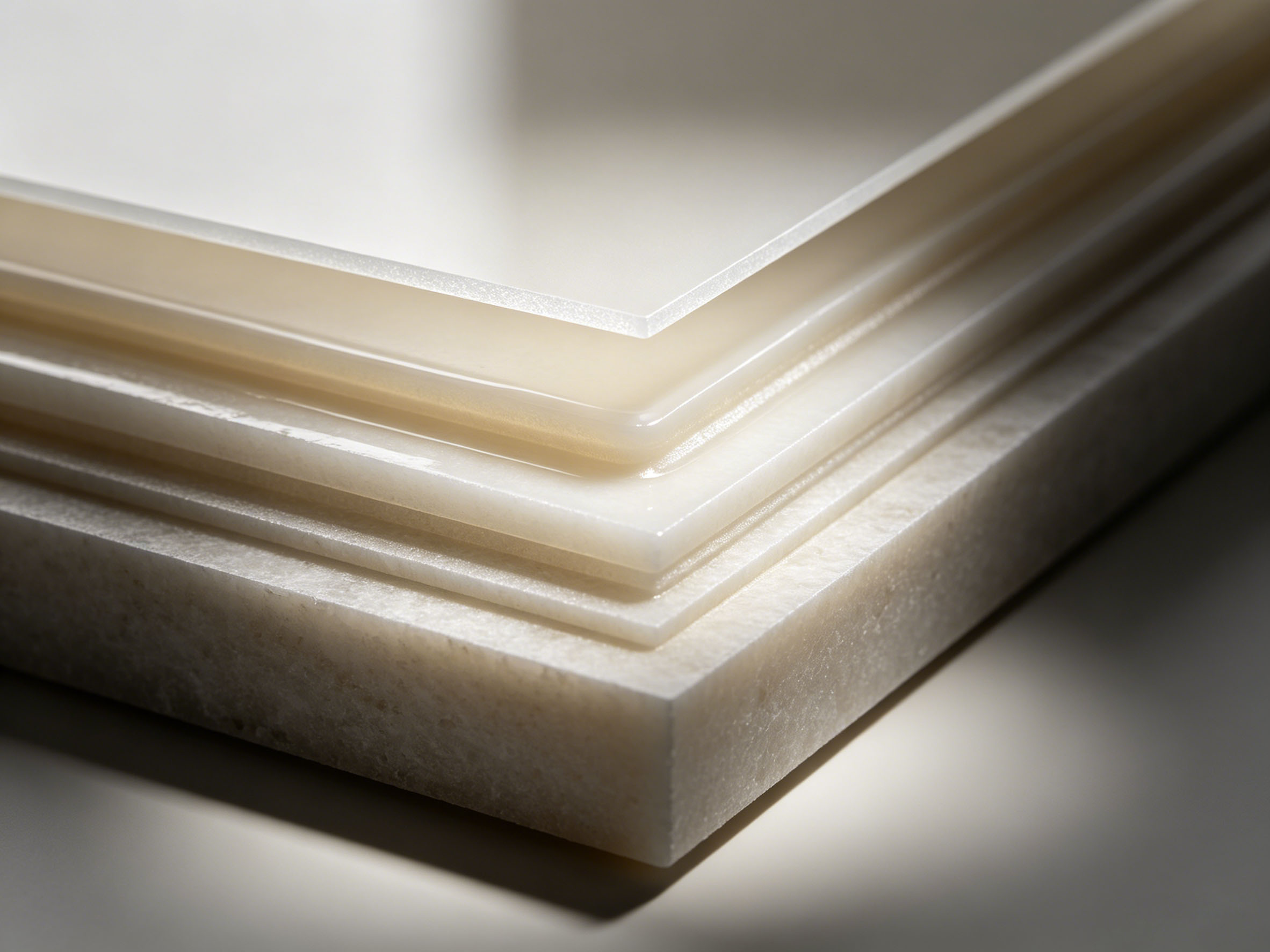
The substrate is typically a base quartz slab manufactured using standard vacuum compression methods. The printed layer consists of ceramic inks and mineral pigments applied through industrial-grade inkjet printers with resolutions reaching 600-1200 DPI. A protective top coat of UV-cured resin or nano-coating seals the printed surface, providing durability and stain resistance comparable to traditional quartz.
This technology differs fundamentally from traditional quartz manufacturing. In conventional production, quartz aggregates are mixed with pigments throughout the entire slab thickness. Pattern creation depends on raw material blending and is limited to broad vein structures. 3D printing separates the structural base from the decorative surface, enabling photographic-quality reproduction of marble, granite, onyx, and custom designs.
How 3D Printing Technology Works in Quartz Manufacturing
The 3D printing process for quartz slabs follows several distinct stages, each requiring precision engineering and quality control.
Stage 1: Substrate Preparation. A base slab is manufactured using standard quartz production methods. The substrate is typically pure white or light-colored to maximize color accuracy of the printed layer. Surface flatness tolerance must be within 0.2mm to ensure consistent ink application.
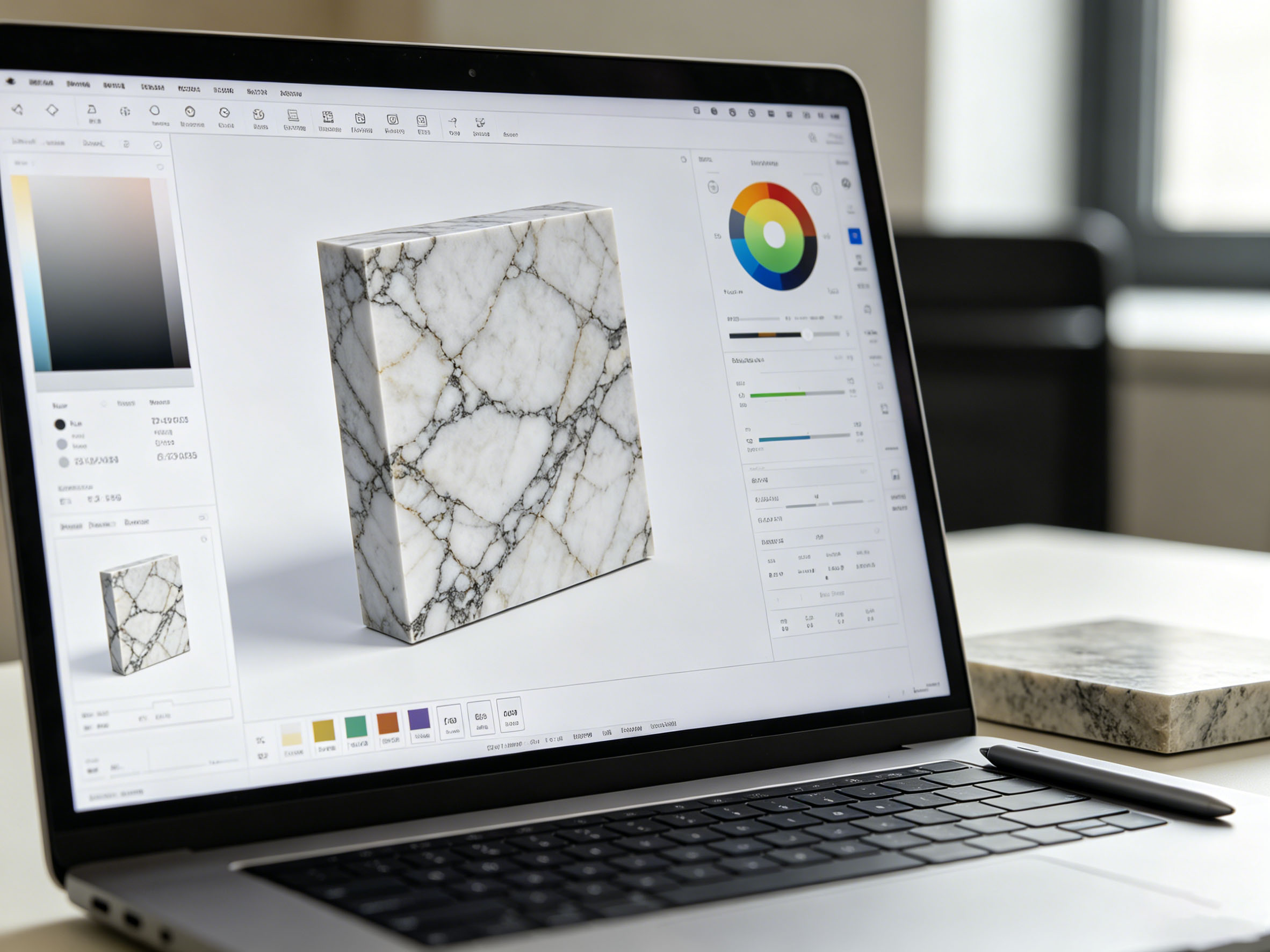
Stage 2: Digital Image Processing. High-resolution images of natural stone are captured using specialized scanning equipment. These images are color-calibrated and adjusted by design software to create print-ready pattern files. Designers can also create original patterns from scratch, offering unlimited creative possibilities.
Stage 3: Inkjet Printing. Industrial ceramic inkjet printers apply the pattern layer by layer. Each print head contains hundreds of nozzles that deposit microscopic ink droplets. Multiple passes build up color depth and pattern detail. Printing speed is controlled to ensure ink penetration into the substrate surface.
Stage 4: Curing and Protection. After printing, the slab undergoes UV curing or thermal treatment to set the inks. A protective top coat is applied and cured to create a durable wear surface. The final slab is polished to achieve the desired gloss level.
Stage 5: Quality Inspection. Each slab is inspected for color accuracy, pattern alignment, surface durability, and defect detection. Advanced imaging systems compare printed patterns against the original design specifications with sub-millimeter precision.
Advantages Over Traditional Quartz Manufacturing
Unlimited Pattern Variety. Traditional quartz manufacturing is limited to patterns achievable through pigment mixing and aggregate blending. 3D printing can reproduce any pattern that can be captured or designed digitally. Marble, granite, travertine, onyx, wood grain, abstract art, and branded custom designs are all achievable.
Pattern Consistency. Natural stone varies significantly from slab to slab. Traditional quartz reduces variation but still shows batch-to-batch differences. 3D printed quartz achieves exact pattern reproduction across every slab, enabling seamless installations in large commercial projects where multiple slabs must match perfectly.
Design Flexibility. Designers can create custom patterns for specific projects. Hotel chains can have branded stone patterns. Architects can match existing materials. Large-scale projects can order slabs that ensure consistent appearance across multiple phases.
Reduced Material Waste. Traditional quartz manufacturing generates waste from rejected slabs with pattern defects. 3D printing reduces waste by allowing pattern correction before printing. Digital design files are stored electronically, eliminating the need for physical sample storage.
Faster Prototyping. New pattern development in traditional manufacturing requires creating full slab samples, which takes days or weeks. Digital design changes can be implemented in hours. This accelerates product development cycles and enables faster response to market trends.
Applications Across Different Settings
Residential Kitchens and Bathrooms. Homeowners can select from an extensive library of stone patterns or create custom designs that match their interior vision. The ability to reproduce rare natural stones like Calacatta Viola or Blue Bahia granite at accessible prices makes premium aesthetics available to more homeowners.
Hospitality and Commercial. Hotels, restaurants, and retail spaces benefit from pattern consistency across large installations. A hotel chain can specify exact slab patterns for all properties, ensuring brand consistency. Casino floors and luxury retail spaces can feature unique custom patterns that reinforce brand identity.
Healthcare and Institutional. The non-porous surface of printed quartz, combined with custom pattern capabilities, serves healthcare environments that require both hygiene and aesthetic appeal. Wayfinding patterns can be incorporated into countertops without separate signage.
Custom Furniture. Designers can create countertops, tabletops, and bar tops with matching patterns or contrast designs that extend the visual language of a space. The ability to print on demand reduces inventory requirements for custom furniture makers.
Durability and Performance
3D printed quartz slabs must meet the same performance standards as traditional quartz. Standard testing shows Mohs hardness of 6-7 after protective coating application. Stain resistance testing per ASTM standards shows no permanent staining from common household substances including wine, coffee, tea, and cooking oils.
The protective top coat is critical for performance. Quality manufacturers apply multiple layers that bond chemically with the printed surface. UV-cured nano-coatings provide scratch resistance comparable to traditional polished quartz. Thickness of the protective layer typically ranges from 0.1mm to 0.3mm.
Heat resistance is similar to traditional quartz, withstanding temperatures up to 150 degrees Celsius. As with all quartz surfaces, trivets and hot pads are recommended. The printed surface maintains its color under normal indoor lighting conditions with proper UV-stable inks.
Cost Comparison: 3D Printed vs. Traditional Quartz
3D printed quartz slabs typically cost 10-30% more than standard quartz due to the additional manufacturing steps and specialized equipment. However, the cost is significantly lower than natural stone alternatives. A 3D printed quartz slab reproducing rare marble patterns costs approximately 40-60% less than the natural stone equivalent.
For large commercial projects, pattern consistency reduces installation complexity and waste, potentially offsetting the material premium. The ability to order exact pattern matches for later renovation phases provides long-term value for multi-phase projects.
Choosing the Right 3D Printed Quartz Supplier
Selecting a quality 3D printed quartz manufacturer requires evaluation of several factors. Print resolution capability determines pattern detail and realism. Higher DPI ratings produce more convincing stone reproductions. Protective coating quality affects long-term durability. Manufacturer experience with inkjet ceramics technology matters for color consistency.
Request samples of printed patterns alongside natural stone samples for comparison. Evaluate color accuracy, depth of pattern, and surface feel. Inquire about warranty coverage for the printed layer, as some manufacturers offer 10-15 year warranties against pattern fading or wear. The 3D printed quartz products from Apex Quartz Stone include multiple collections with different pattern styles and protective coating options.
Future Developments in 3D Printed Quartz
The technology continues to evolve rapidly. New developments include embedded texture printing that creates physical surface relief matching the printed pattern. Anti-microbial ink formulations are being developed for healthcare applications. Expanded color gamuts enable reproduction of an even wider range of natural and artificial patterns.
Integration with AI design tools allows automatic pattern generation based on design requirements. Virtual reality preview systems let clients see printed patterns in their space before manufacturing begins. Sustainability improvements include water-based inks and reduced energy consumption in curing processes.

Conclusion
3D printed quartz slab technology represents a paradigm shift in the engineered stone industry. By decoupling structural performance from surface aesthetics, it opens unlimited design possibilities while maintaining the practical benefits that make quartz a preferred surface material. For architects, designers, and property owners seeking unique, consistent, and durable surfaces, 3D printed quartz offers an compelling combination of creativity and performance.
Post time: Jun-18-2026