
What Is Natural Quartz?
Ever wonder what natural quartz really is? Simply put, natural quartz is a mineral made of silica dioxide (SiO2) crystals that form deep inside the Earth’s crust through geological processes. These crystals develop over millions of years when molten rock cools and silica-rich fluids solidify under intense heat and pressure.
Natural quartz is known for its impressive hardness, rating a 7 on the Mohs scale, which means it’s tough and resistant to scratches—perfect for durable surfaces. It also offers excellent clarity that can range from completely clear to milky or cloudy, with popular varieties including clear quartz, rose quartz (pink-toned), and smoky quartz featuring darker hues.
You often find natural quartz in several forms in the environment:
- Vein quartz: Quartz that fills cracks or veins in rocks, often dazzling with shiny surfaces.
- Rock crystals: Clear, crystalline quartz commonly used in jewelry and decorative items.
- Quartzite rock: A natural stone formed when sandstone is metamorphosed under heat and pressure, distinct from pure quartz crystals but rich in quartz content.
Natural quartz stone slabs are prized in construction and design for their natural beauty and resilience, making them a top choice among natural stone quartz countertops.
Natural Quartz vs. Quartzite: Key Distinctions
When comparing natural quartz stone to quartzite, it’s important to know they’re not the same. Quartzite is a metamorphic natural stone, meaning it forms when sandstone undergoes heat and pressure, making it a 100% mineral stone. It’s quarried in slabs, just like granite, and keeps its natural strength and beauty throughout.
In terms of appearance, quartzite often features unique veining and patterns directly from nature, giving each slab a one-of-a-kind look. Its natural colors range from white and gray to pink and red, depending on the minerals involved. This natural stone quartz countertop option stands out for its rugged, earthy charm.
Quartzite slabs are highly durable and well-suited for various applications in the home. You’ll often see them used for:
- Kitchen countertops
- Flooring
- Outdoor spaces like patios or barbecue areas
One big advantage is quartzite’s excellent resistance to UV rays and weather, making it a smart choice when you need a stone that holds up outdoors without fading or damage.
In short, if you’re looking for pure natural quartz stone slabs that come straight from the earth with natural veining and top-notch durability, quartzite is worth considering. Just remember it’s different from engineered quartz countertops, which blend natural quartz with resins for a more controlled look and feel.
Engineered Quartz Stone: Harnessing Nature’s Beauty
Engineered quartz stone blends natural quartz crystals (about 90-93%) with resins and pigments. This mix creates slabs that offer the look and feel of natural quartz stone but with added durability and consistency.
How It’s Made
- Ground natural quartz crystals combined with resins
- Pigments added for color and pattern variety
- Slabs formed under heat and pressure for strength
Benefits at a Glance
| Feature | What It Means |
|---|---|
| Non-porous surface | Resists stains and doesn’t absorb liquids |
| Scratch-resistant | Holds up well against daily wear and tear |
| Low maintenance | No sealing needed, just simple cleaning |
| Consistent look | Uniform colors and patterns every time |
Engineered quartz countertops are a perfect choice if you want the classic beauty of natural quartz stone without the worry of regular sealing or staining. They combine nature’s best with modern manufacturing for surfaces that fit busy American homes and commercial spaces alike.
Natural Stone vs. Engineered Quartz Countertops: A Detailed Comparison
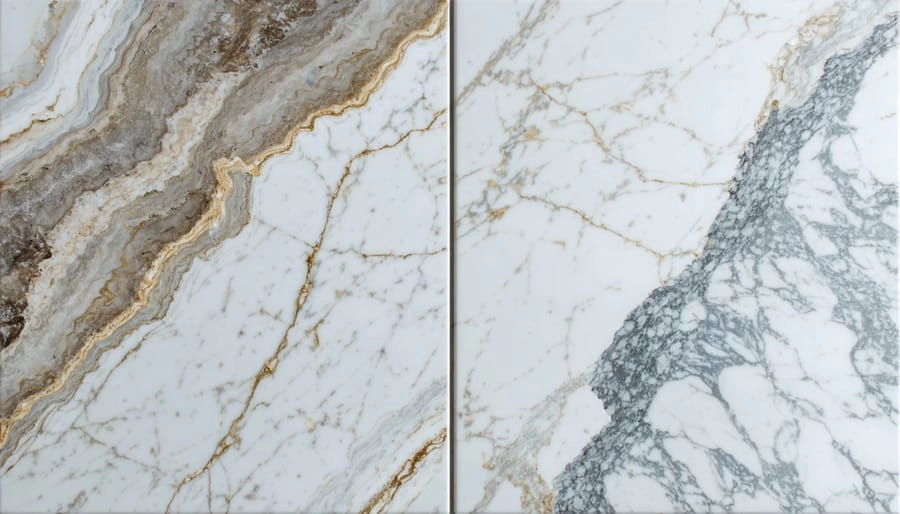
When choosing natural stone quartz countertops or engineered quartz countertops, it helps to know the key differences in durability, maintenance, look, and cost. Here’s a quick breakdown to help you decide what fits your needs best.
| Feature | Natural Quartz Stone Countertops | Engineered Quartz Countertops |
|---|---|---|
| Durability & Hardness | Hard but can be porous and prone to chipping | Very durable, non-porous, resistant to scratching and stains |
| Maintenance & Sealing | Requires regular sealing to prevent stains | Low maintenance, no sealing needed |
| Aesthetic Variety | Unique natural patterns and veins, no two slabs alike | Consistent, uniform colors and designs |
| Heat Resistance | Good heat resistance but caution needed | Heat resistant but avoid direct hot pots |
| Stain & Scratch Resistance | Can stain if not sealed properly | Highly stain and scratch-resistant |
| Environmental Impact | Natural stone is quarried, minimal processing | Manufactured using quartz with resin, some environmental concerns but often recyclable |
| Cost | Generally higher upfront cost | Typically more affordable and cost-effective |
Key Takeaways
- Durability: Engineered quartz is tougher for everyday wear and tear, great for busy kitchens. Natural quartz stone offers authentic beauty but demands a bit more care.
- Maintenance: If you want hassle-free upkeep, engineered quartz is your go-to since it doesn’t need sealing.
- Appearance: Choose natural quartz for unique, one-of-a-kind slabs. If you prefer consistent patterns or specific colors, engineered quartz offers plenty.
- Cost & Environment: Consider your budget and eco preferences; natural stone has a bigger environmental footprint during mining, whereas engineered quartz uses natural quartz but combines it with resins.
Both are excellent options for quartz stone surfaces. Your choice depends on lifestyle, style, and how much maintenance you’re ready to handle.
Advantages of Quartz Stone Surfaces for Modern Homes
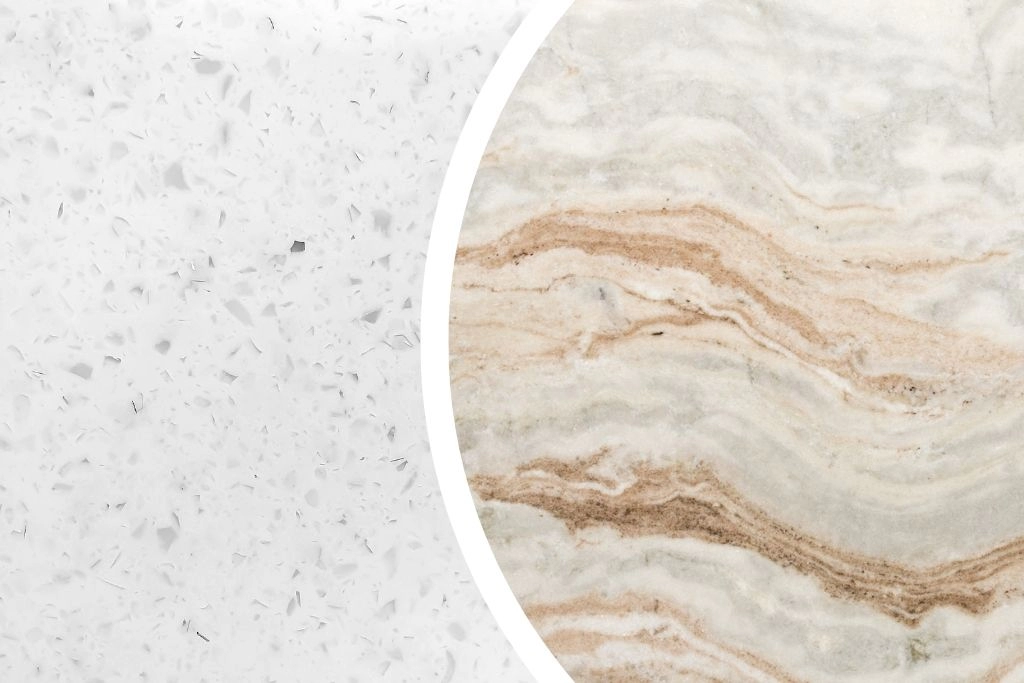
Quartz stone surfaces are a top choice for modern homes because they offer great versatility. Whether you need countertops in your kitchen, vanities in your bathroom, or durable surfaces for commercial spaces, quartz fits the bill perfectly.
Here’s why quartz stone surfaces stand out:
- Versatile Applications: Perfect for kitchens, bathrooms, and even busy commercial areas thanks to their durability and style.
- Family-Friendly & Hygienic: Quartz is non-porous, so it won’t harbor bacteria, making it safer for family use and easy to clean.
- Popular Design Trends: From elegant marble-look quartz to trendy concrete-look and natural stone-inspired finishes, there are options to suit any style.
- Low Maintenance: Unlike natural stone quartz countertops or quartzite, engineered quartz doesn’t need sealing or special care.
- Durability: Quartz stone surfaces resist stains, scratches, and general wear, keeping your home looking fresh longer.
If you’re looking for natural stone quartz countertops that blend beauty with practical use, quartz stone offers some of the best options on the market right now. Whether your style is classic or modern, quartz brings lasting value and appeal.
Choosing the Right Quartz Stone for Your Project
Picking the right natural quartz stone or engineered quartz for your space depends on a few key factors:
- Lifestyle: If you have kids or cook a lot, durability and low maintenance are a must. Engineered quartz tends to be more stain and scratch-resistant than pure natural quartz.
- Budget: Natural stone quartz countertops often cost more than engineered quartz slabs. Quartzite stone slabs, being 100% natural, can also be pricier but offer unique veined quartz designs.
- Design goals: Do you want consistent patterns or prefer the unique, one-of-a-kind look of natural quartz? Engineered quartz provides uniform colors, while natural quartz brings natural vein patterns and variations.
Tips for Selecting Quartz Slabs
- View slabs in person: Lighting and slab thickness can affect how the color and pattern look in your home.
- Check edge profiles: Different edge cuts can impact both style and durability.
- Consider thickness: Standard thickness is usually 3 cm, but thicker slabs add strength and a premium feel.
Common Myths About Quartz Stone
- “All quartz is natural stone.”
Actually, most quartz countertops are engineered, mixing ground natural quartz with resins and pigments. Pure natural quartz stone slabs exist but are rarer. - “Quartz requires sealing.”
Engineered quartz is non-porous and usually doesn’t need sealing, unlike some natural stone quartz countertops.
Understanding these points will help you choose quartz stone surfaces that fit your lifestyle, budget, and design needs perfectly.
Why Choose Quanzhou APEX for Your Quartz Needs
When it comes to natural stone quartz countertops and engineered quartz countertops, Quanzhou APEX stands out. Here’s why so many in the U.S. trust us for their quartz stone surfaces:
| Key Benefits | Details |
|---|---|
| Quality You Can Trust | We ensure premium quartz slabs with consistent durability and rich, natural-inspired aesthetics. |
| Wide Selection of Options | Choose from a broad range of colors, veined quartz designs, and finishes to fit any style or project. |
| Expert Guidance | Our team helps you pick the right quartz stone slabs tailored to your lifestyle and budget. |
| Sustainable Practices | We prioritize eco-friendly manufacturing to support a greener environment. |
At Quanzhou APEX, you get the perfect mix of nature and innovation—whether you want that flawless engineered quartz look or the authenticity of natural quartz crystal. Our products meet the demand for low-maintenance quartz with outstanding hardness (7 on Mohs scale), making them ideal for kitchens, bathrooms, and commercial spaces.
If you’re searching for natural stone vs quartz countertops, we provide options that fit every need — durable, beautiful, and easy to care for. Trust Quanzhou APEX to bring the best quartz mineral properties to your project with style and reliability.
Care and Maintenance Guide for Quartz Stone Surfaces
To keep your natural quartz stone countertops looking great, daily cleaning is simple and quick. Use a mild dish soap with warm water and a soft cloth or sponge. Avoid harsh chemicals or abrasive scrubbers that can damage the surface. This easy routine helps maintain the quartz mineral properties and the beautiful veined quartz designs without extra effort.
For long-term preservation:
- Wipe up spills right away to prevent stains.
- Use cutting boards to avoid scratches, even though quartz hardness on the Mohs scale makes it quite durable.
- Protect your quartz stone surfaces from excessive heat by using trivets or hot pads.
- Avoid prolonged exposure to strong UV light, especially if you’re placing engineered quartz countertops outdoors.
What to avoid:
- No bleach or oven cleaners—these can dull the finish.
- Skip rough scrubbing pads or steel wool to prevent scratching.
- Don’t use highly acidic or alkaline cleaners; they can wear down the resin binders in engineered quartz.
With just a little care, your quartz stone surfaces will stay stain-resistant, low-maintenance, and beautiful for years. This makes quartz a smart, family-friendly choice for modern American homes seeking durable yet stylish countertops.
Post time: Dec-17-2025