
High Cost and Premium Pricing
One of the main disadvantages of Calacatta marble is its high cost compared to alternatives like Carrara marble. Calacatta is considered a luxury material, and its price reflects that. You’ll often find Calacatta marble slabs significantly more expensive due to several key factors:
- Limited quarry availability: Calacatta marble comes from a very specific region in Italy, and the quarries produce fewer slabs than other types of marble. This scarcity drives prices up.
- Bold, distinct veining: The dramatic, thick veining in Calacatta creates a striking look but also limits usable slabs. Not every piece meets the premium standard, which adds to the cost.
- High demand: Its reputation for elegance and uniqueness keeps demand strong among designers and homeowners, pushing prices higher.
Typically, Calacatta marble costs range from $180 to $300 per square foot, depending on the grade and thickness. In comparison, Carrara marble is generally priced between $50 to $150 per square foot, making Calacatta a significant step up in investment. Engineered alternatives like Calacatta-look quartz or porcelain can be far less expensive, often costing less than half the price, while offering easier maintenance.
If you’re considering Calacatta marble slabs, it’s important to budget for this premium cost while weighing its undeniable beauty against your overall project expenses.
Porosity and Susceptibility to Staining
One of the main disadvantages of Calacatta marble is its natural porosity. Because it’s a natural stone, it easily absorbs liquids like wine, coffee, oil, and even inks. This can lead to stubborn stains that are especially noticeable on the bright white surface of Calacatta marble slabs. Unlike darker stones, any mark or spill tends to stand out, which means spills need to be cleaned up quickly to avoid lasting damage.
This porosity makes Calacatta marble countertops prone to staining if not sealed properly and maintained regularly. So, if you’re considering Calacatta marble for a kitchen or bathroom, keep in mind that it demands careful care to protect its stunning look from everyday stains.
Etching from Acidic Substances
One big disadvantage of Calacatta marble is how easily it etches when it comes into contact with acidic substances like lemon juice, vinegar, or tomato sauce. Unlike stains, which sit on the surface and can sometimes be cleaned off, etching actually damages the marble’s finish, leaving dull, permanent spots.
Here’s a quick comparison:
| Etching | Staining |
|---|---|
| Caused by acids (e.g., lemon) | Caused by liquids (e.g., wine) |
| Creates dull, rough spots | Leaves discoloration |
| Permanent surface damage | Often removable with cleaners |
In real kitchens, you might see dull areas where spills weren’t wiped up quickly — cutting boards and countertops near cooking zones are especially prone. Etching is a common Calacatta marble kitchen suitability issue because it needs careful handling to avoid acid exposure.
To protect your Calacatta marble slab, it’s important to clean acidic spills immediately and use cutting boards and mats in food prep areas. Over time, repeated etching can wear down that bright, white surface and blunt the bold veining that makes Calacatta marble so popular.
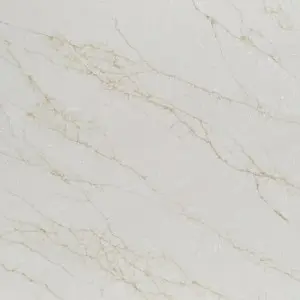
Scratching and Physical Vulnerability of Calacatta Marble
Calacatta marble is softer than granite or quartz on the Mohs hardness scale, making it more prone to scratches and daily wear. In a busy kitchen, knives, pots, and even metal utensils can leave visible marks on calacatta marble countertops. Over time, these scratches can dull the surface, impacting its polished look.
Additionally, edges and corners are especially vulnerable to chipping if bumped or knocked. Since calacatta marble slabs have natural veins and patterns, any damage like chips or scratches can stand out even more against the bright white background.
If you’re wondering, “Is Calacatta marble durable?” it’s important to know it requires gentle handling and care to avoid these physical issues, especially in high-traffic kitchen areas. Compared to engineered stones, calacatta marble demands more attention to keep it looking pristine.
High Maintenance Requirements for Calacatta Marble
Calacatta marble is stunning, but it demands a lot of upkeep to keep that bright, polished look. If you’re wondering about Calacatta marble maintenance, here’s what you need to know.
Regular Sealing Is a Must
- Frequency: Seal your Calacatta marble slab at least once a year, sometimes twice if it’s in a high-use area like a kitchen.
- Process: Clean the surface first, then apply a high-quality marble sealer evenly. Let it soak in, wipe off excess, and let it cure for 24-48 hours.
Daily Cleaning Tips
- Use pH-neutral, non-abrasive cleaners made for natural stone. Avoid acidic or bleach-based products—they’ll damage the surface.
- Wipe up spills immediately to reduce stains or etching risks.
Long-Term Care to Prevent Dullness and Yellowing
- Avoid harsh scrubbing or abrasive pads.
- Regularly polish with products designed for marble to maintain shine.
- Over time, if yellowing or dullness appears, professional refinishing might be needed to restore the surface.
Cleaning and Maintenance Table
| Task | Recommended Frequency | Notes |
|---|---|---|
| Sealing | Every 12 months (or biannually) | Use high-quality marble sealers |
| Daily Cleaning | After use | Use pH-neutral marble cleaners |
| Spill Cleanup | Immediately | Prevent stains and etching |
| Polishing (DIY) | Every few months | Use marble-safe polish |
| Professional Refinishing | As needed (usually years) | Fixes dull or yellowed surfaces |
Keeping your Calacatta marble slab looking fresh means committing to this routine. While it can be a hassle compared to quartz or porcelain, good maintenance preserves that unique marble beauty for years.
Limited Availability and Variability of Calacatta Marble
Calacatta marble is rare, which means it’s not always easy to find. This limited availability often leads to longer wait times for your project, especially if you need large or custom slabs. Because quarries that produce true Calacatta black marble slab are few and far between, suppliers sometimes have trouble keeping enough stock on hand.
Another challenge is the natural variation in Calacatta marble slabs. Each piece has unique veining and color patterns—some slabs have bold, dramatic veins, while others are more subtle. While this makes every slab one-of-a-kind, it can be tricky to match multiple slabs for bigger installations like large kitchen countertops or bathroom walls.
For homeowners in the U.S., this means when you order Calacatta marble, expect some differences in appearance between slabs, and plan for potential delays. If you want a seamless look, be prepared to pay more for careful slab selection or work with reputable suppliers who specialize in consistent quality, like Quanzhou Apex Co., Ltd.
Not Ideal for Every Application or Lifestyle
Calacatta marble isn’t the best fit for every space or lifestyle. It works great in low-traffic areas like powder rooms or formal dining spaces where it won’t see a ton of daily wear. But in busy family kitchens, it might not hold up as well because it’s more vulnerable to scratches, stains, and etching.
One big limitation is heat resistance—placing hot pots or pans directly on Calacatta marble countertops can cause damage or discoloration. Unlike granite or quartz, it’s not designed to handle extreme heat, so you’ll need to be careful.
Also, if you’re thinking about using Calacatta marble outdoors or in sunlit rooms, keep in mind that UV exposure can cause color fading or yellowing over time. So, for those environments, it’s usually better to look at more durable alternatives.
In short, Calacatta marble is stunning but best suited for spaces where you can give it some care and avoid heavy daily use.
Comparison to Lower-Maintenance Alternatives
When thinking about Calacatta marble, especially Calacatta marble countertops, it’s smart to weigh it against easier-care options like Calacatta-look quartz or porcelain. Here’s a quick rundown to help you decide what fits your lifestyle best:
| Feature | Calacatta Marble | Calacatta-Look Quartz / Porcelain |
|---|---|---|
| Appearance | Unique, natural veining and depth | Consistent, often very close in look |
| Maintenance | High—sealing, careful cleaning | Low—resistant to stains and scratches |
| Durability | Softer, prone to scratches & etching | Harder surface, scratch and stain resistant |
| Cost | Premium price, often $75+ per sq ft | Generally more affordable |
| Heat Resistance | Limited, can etch or discolor | Better resistance to heat and chemicals |
| Longevity with Care | Lasts decades if well-maintained | Lasts long with minimal upkeep |
If you love that authentic, bright white look with bold veining, Calacatta marble delivers something quartz can’t fully replicate. It brings a natural elegance and unique character that turns heads. But keep in mind, its beauty comes with extra work and expense.
For many U.S. homeowners, I recommend Calacatta marble only if you’re prepared for the ongoing care and want the real deal’s exclusivity. Otherwise, the quartz or porcelain alternatives offer a hassle-free way to get the Calacatta vibe without the marble’s typical drawbacks.
Tips for Mitigating Disadvantages If You Choose Calacatta Marble
Choosing Calacatta marble means dealing with some downsides, but good care and smart choices can make a big difference. Here’s how to protect your investment and keep your Calacatta marble slab looking great:
Professional Installation and Sealing
- Hire experienced installers who understand how to handle natural stone without damage.
- Seal your Calacatta marble countertops right after installation to reduce porosity and staining risks.
- Reseal regularly — typically every 6 to 12 months, depending on use and sealant type.
Preventive Habits for Longevity
| Tip | Why It Helps |
|---|---|
| Use cutting boards | Avoids scratches from knives |
| Wipe spills immediately | Prevents stains and etching |
| Avoid acidic cleaners | Protects surface from dull spots |
| Use coasters and trivets | Shields from heat and moisture damage |
| Clean with pH-neutral soap | Maintains marble’s natural shine |
Sourcing High-Quality Slabs
- Buy from reputable suppliers like Quanzhou Apex Co., Ltd. known for consistent quality and authentic Calacatta marble slabs.
- Inspect slabs before purchase to ensure desirable veining and minimal color variation.
- Confirm the supplier provides proper documentation and sealing advice.
By focusing on expert installation, regular sealing, daily care, and choosing trusted suppliers, you can reduce common Calacatta marble problems like staining, etching, and scratches—keeping your marble beautiful for years in your home.
Post time: Dec-25-2025